Custom Vest Buying Guide for Corporate Teams

ZATEX PROMO · PRODUCT SELECTION
Custom Vest Buying Guide for Corporate Teams
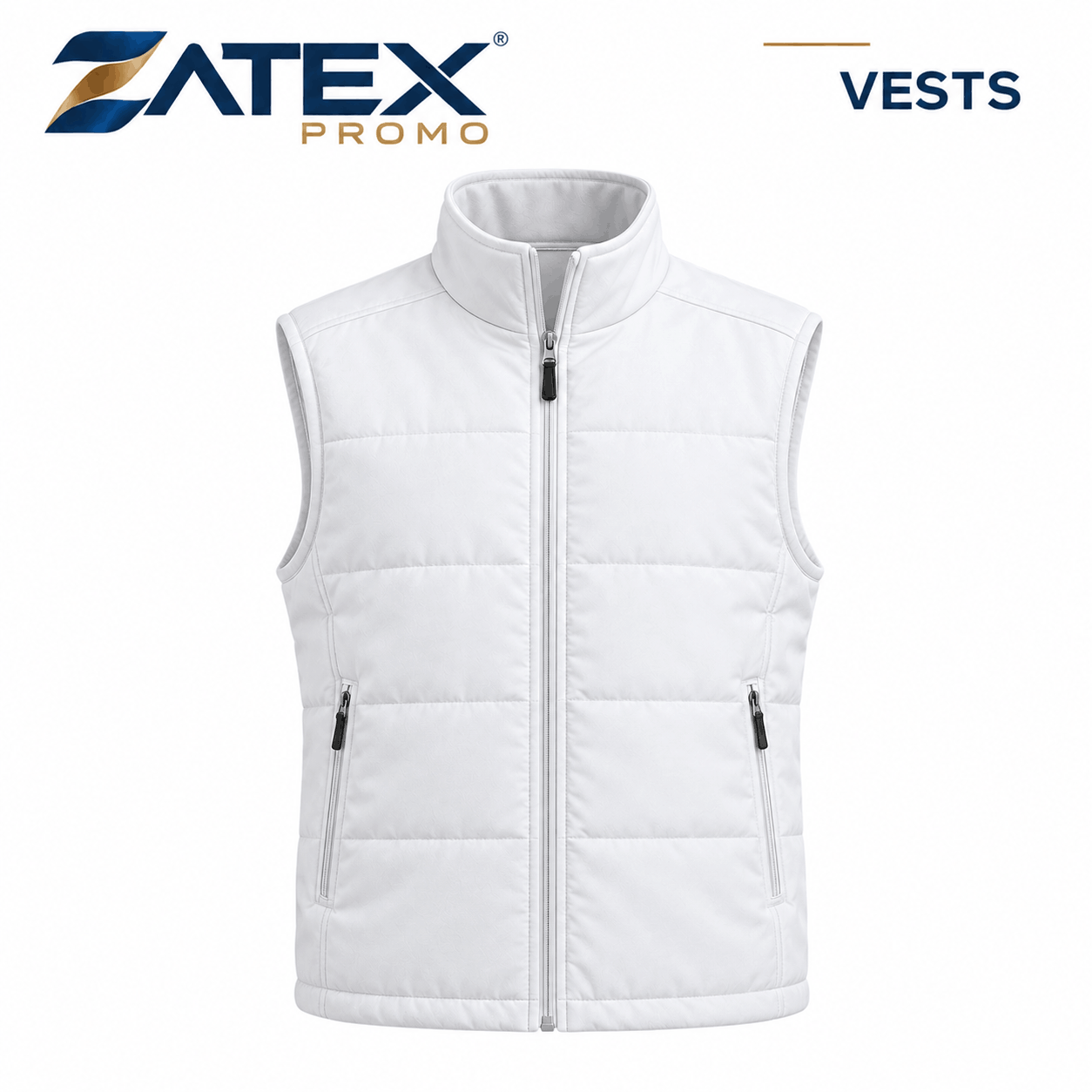
This custom vest buying guide helps European and US purchasing teams specify a sleeveless garment for staff uniforms, events and branded merchandise. Start with how the vest will be worn and what staff need to carry. A product photograph alone cannot resolve fit over layers, pocket access or the position of a company logo.
Explore custom promotional vests and work vest options while building your brief. This article covers ordinary branded garment selection and makes no protective-performance or certification claim for the products.
Define the vest’s role in the uniform
Describe whether the garment is for reception staff, an event crew, retail teams or another group. Explain the typical setting and the garments worn underneath. Identify whether the vest is intended to remain on throughout the shift or to be added and removed during the day.
Separate essential features from optional preferences. If purchasing is subject to a specific workplace requirement, provide that requirement for review rather than assuming an ordinary branded vest fulfils it. Ask the supplier to confirm the scope of any proposed product.
Review fit over the intended layers
Assess the sample over the shirt, polo or other layer planned for the programme. Ask wearers to sit, reach forward and operate the closure. Record comments on the neckline, arm openings, body length and the way the garment sits when fastened.
Use the garment measurement chart guide to define measuring points and sample conditions. Do not approve the entire size range based only on a label such as medium. Agree which fits and sizes need additional review, then prepare the quantity breakdown by size.
Choose pockets around real tasks
List the items staff need to carry and ask reviewers to check them against the proposed pocket layout. Identify which pockets need closures and whether access should remain convenient when the vest is fastened. Avoid choosing pocket positions purely from their appearance in a flat photograph.
Keep the requested function distinct from the proposed solution. For example, describe the item that needs to be stored before asking the supplier to assess a particular pocket construction. Any dimensions or additional details should be confirmed on the sample.
Compare construction details systematically
| Detail | Question for the sample review |
|---|---|
| Front closure | Can the wearer operate it comfortably with the planned underlayers? |
| Arm openings | Does the sample allow the movements required for the role? |
| Hem and body length | How does the garment sit when standing and seated? |
| Pockets | Are position, access and closure suitable for the intended contents? |
| Inside finish | Is the proposed lining or reverse surface acceptable to the wearer? |
| Material | Is the sample identified as the material proposed for production? |
These are purchasing questions, not laboratory performance claims. If the brief requires a particular material property, request evidence for that specification and agree any additional assessment before approval.
Plan logo placement with the pockets and seams
Provide the actual artwork, finished dimensions and intended positions. Ask the supplier to review chest or back branding against the closure, panels and pocket openings. Check the logo on the garment as worn, including when the front is open if that is part of normal use.
For stitched branding, use the embroidery sample approval guide to review the physical application. Record any differences between an initial mockup and the proposed finished sample. Keep each garment and artwork combination clearly identified.
Include care and repeat-order needs in the brief
Explain the intended care routine and request instructions for the finished decorated garment. If your team uses a particular laundry process, share its requirements before sampling. Do not assume that instructions for another item in the uniform also apply to this vest.
If the programme will need replacements, retain the approved measurements, material reference and artwork. Our uniform reorder checklist helps record what should be reviewed again when an order is repeated.
Request a quotation for a defined option
Send the intended use, quantity, size and colour breakdown, material preferences, pocket needs, artwork and delivery destination. Mark any decisions still open and ask for alternatives to be listed separately. Keep sample costs, any requested testing and delivery scope visible in the offer.
ZATEX works from customer briefs. Feasible constructions, material availability, minimum quantities and timing need individual confirmation. Use the sample approval checklist to document the selected option before production release.
Custom vest buying guide FAQ
Can one vest design be used across several departments?
Review the requirements of each group first. If pocket needs, underlayers or branding differ, record those variations and ask whether a shared design or separate options would better meet the brief.
Should we choose a vest or a jacket?
Compare actual proposed samples against the wearer’s tasks and intended layers. If a sleeved option is also under consideration, review the softshell jacket buying guide and keep the decision tied to the requirements of your programme.
Can we send an existing garment as a reference?
Yes—describe which details you want to retain or change. Ask the supplier to document the proposed specification for review rather than treating the reference alone as a complete production instruction.
Develop your team’s branded vest
Share your intended use, quantities, artwork and destination. Request a B2B vest quotation and identify the fit and functional details your team needs to review.