
Screen Printing vs Embroidery for Corporate Clothing

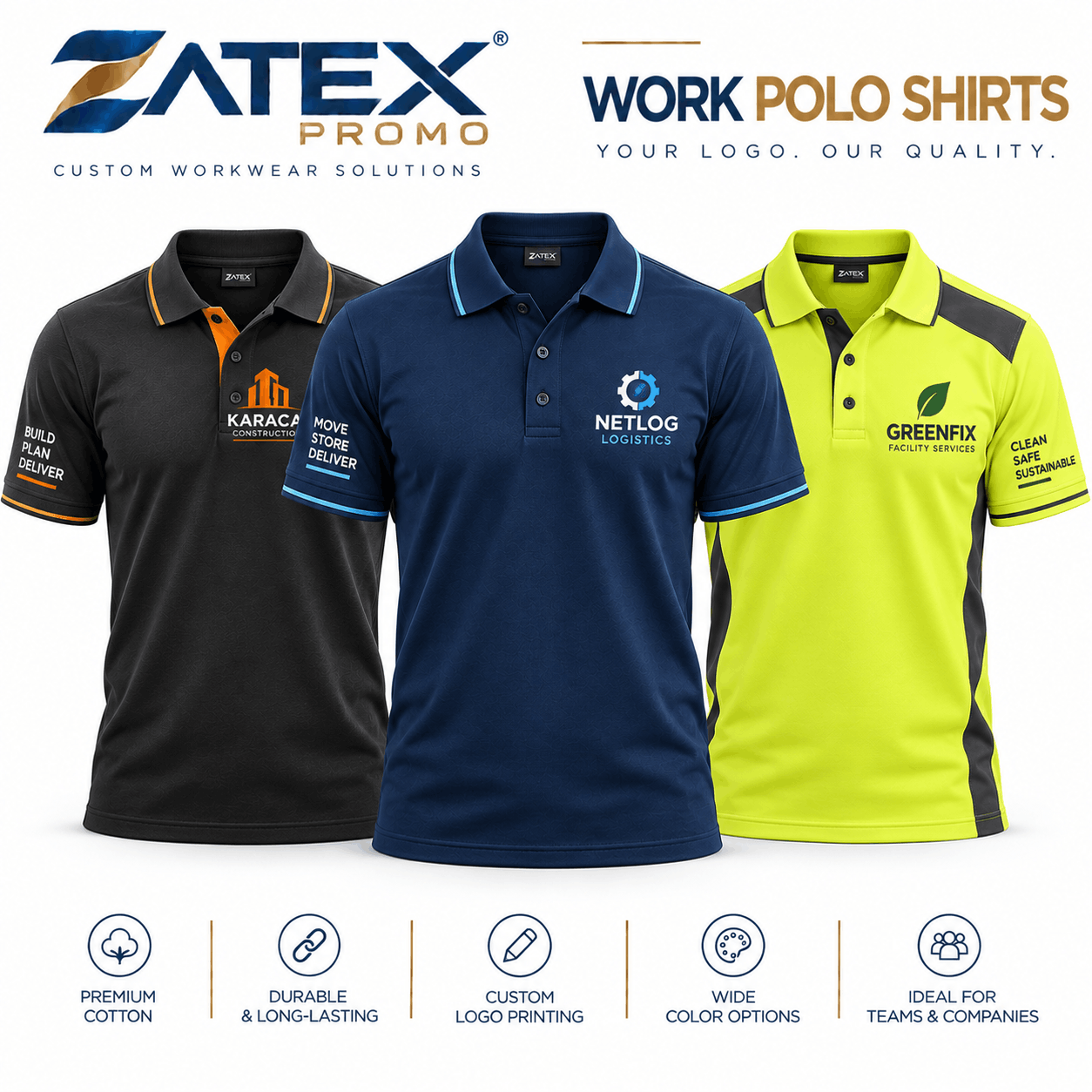
Screen printing vs embroidery: compare the two methods around your logo, garment and intended use.
The choice between screen printing and embroidery should begin with the artwork and garment, not a general rule that one method is always better. A large event graphic and a small uniform chest logo create different requirements. Review the finished size, fabric, quantities and expected use together.
Screen printing vs embroidery: key decisions
A logo that looks clear on a large screen may lose detail when reduced to a chest application. Embroidery recreates the artwork with stitches, so fine lettering and closely spaced elements can need simplification. For a printed design, colour separations, coverage and the number of positions should be discussed before quotation.
Consider the garment
The application should suit the selected fabric and construction. Ask to review the decorated area for appearance and feel. Position matters too: a logo close to a seam, pocket or zipper presents a different layout from a clear front panel. For a mixed uniform program, provide the placement for every garment rather than assuming one file fits all.
Compare the complete cost brief
For printing, specify colours, positions and design versions. For embroidery, provide the actual artwork and dimensions so the proposed application can be evaluated. Quantities by design matter. Avoid comparing prices based only on the statement “one logo” when the size and complexity differ.
Use the brand requirement to guide the choice
A campaign may call for a prominent graphic across a T-shirt. A corporate program may call for discreet branding on a polo or work jacket. Neither example makes the method automatic: fabric, artwork and the approved sample still determine the final specification.
What should you approve?
- Logo dimensions and placement measured on the garment.
- Colour appearance under consistent lighting.
- Small text and the edges of the design.
- The feel and appearance of the surrounding fabric.
- Care instructions for the finished decorated product.
A digital mockup is useful for placement, but a physical application helps evaluate texture and construction. Record changes before production and ensure the approved artwork version is the one used for the order.
Ask for a project-specific recommendation
Send ZATEX the garment type, artwork, logo dimensions, quantity breakdown and delivery target. We can review the decoration requirement alongside the product brief. See our printing and embroidery options or request a quote.
A sample comparison for your buying team
Prepare the same logo at the intended application size and ask which details need adjustment for each method. Keep the garment colour and placement consistent when comparing alternatives. Assess both the visible design and the surrounding fabric; a close-up photograph alone does not show how the garment hangs or feels.
Will the logo be used across several products?
A uniform collection may include a polo, fleece and jacket. Keep the visual identity consistent, but allow the application specification to be reviewed for each construction. Record any approved variation in size, colour or placement instead of expecting the same setting to work everywhere.
What should be in the approval record?
Include the artwork filename, version, finished dimensions, colour references and position measured from a defined garment point. Add a photograph of the approved application and the relevant sample reference. This helps a repeat order use the same starting specification.
Screen printing vs embroidery is therefore a product-development decision. Use the comparison to create a clear brief, then select the application after reviewing the actual garment and artwork.
When agreeing care-label terminology, consult the GINETEX care-symbol guide. Final instructions should match the actual garment, trims and decoration.