
Custom Sweatpants Buying Guide for B2B Brands

ZATEX PROMO · B2B BUYER GUIDES
Custom Sweatpants Buying Guide for B2B Brands
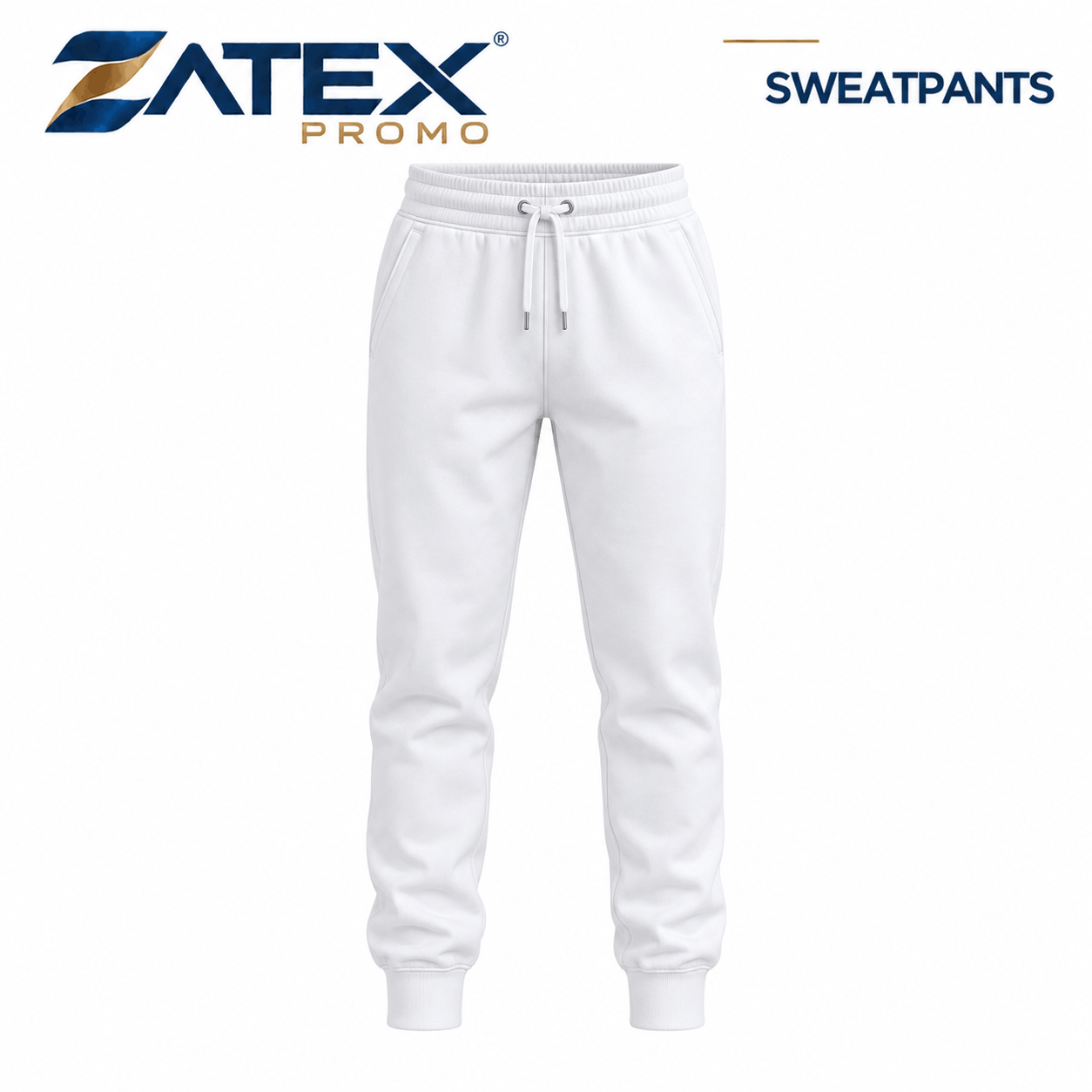
This custom sweatpants buying guide helps brands, distributors and corporate merchandise teams define a garment before requesting a production quotation. A reference photograph is a useful starting point, but the waistband, rise, pockets and leg finish need their own decisions.
Browse custom sweatpants and identify whether you want a standalone garment or a coordinated set. For European and US orders, include your destination and intended use from the first enquiry.
Start with the silhouette and wearer
Describe the intended wearer and fit direction. “Relaxed” and “slim” can mean different things to different teams, so add front, side and back references. Mark which details you want to reproduce and which are only visual inspiration.
For sample review, ask wearers to sit, walk and bend as they normally would. Record feedback about the waist position, seat, thigh and leg length separately. A general comment such as “make it more comfortable” gives the developer less direction than a clearly identified area and requested adjustment.
Specify waistband and pocket details
Describe the waistband appearance, desired width and drawcord preference. Ask to review these details on the garment sample rather than approving them from a component photograph alone. Confirm how the waistband will be measured in your specification.
List each pocket position and any requested closure. During sampling, try the items users expect to carry and record whether the placement works for them. Do not assume a pocket shown in a reference image has the same opening, depth or construction as the proposed sample.
Choose the leg opening deliberately
Decide whether you want a cuffed or open-leg appearance. Review the intended length with the footwear used in your programme. If you offer different length options, give them separate references in the quantity breakdown and measurement chart.
Use the garment measurement chart guide to agree measuring points and units. Keep fit comments separate from ordered size quantities so a change to the sample does not accidentally change the assortment.
Coordinate fabric and branding across a set
For a matching hoodie or sweatshirt, request a joint review of the proposed materials, colours, trims and decoration. Identify whether the pieces will be sold together or separately. Each garment still needs its own style reference and approval.
If you are considering different inside finishes, consult the French terry and brushed fleece comparison. Ask for material options around your brief rather than treating a fabric name as a complete specification.
Show logo placement on a drawing, give the artwork dimensions and check its appearance on the worn sample. Clarify how placement will be handled across sizes before approving the design.
Send a brief that can be quoted
- Style reference, intended wearer and fit images.
- Waistband, drawcord, pockets and leg opening requirements.
- Material and colour preferences, with undecided points marked.
- Logo files, dimensions, positions and label requirements.
- Quantities by size and colour, plus destination and requested arrival date.
Ask the supplier to identify assumptions and exclusions in the quotation. Minimum quantities, sampling costs and production timing must be confirmed for the actual specification.
Custom sweatpants questions
Can tops and bottoms use different size assortments?
Include separate quantity tables and explain how you intend to distribute the garments. Ask the team to confirm packing and ordering arrangements before committing to a set programme.
Can we start without a complete technical pack?
Yes, you can begin an enquiry with references and a clear description. Mark the decisions that still need development; the final specification and sample approval remain necessary steps to agree with the supplier.
Discuss your sweatpants project
ZATEX PROMO develops garments around customer briefs. Request a custom sweatpants quotation with your references, quantities and destination so the team can review options and sampling needs.