
French Terry vs Brushed Fleece: A B2B Buying Guide

ZATEX PROMO · FABRIC SELECTION
French Terry vs Brushed Fleece: A B2B Buying Guide
Choosing French terry vs brushed fleece starts with the inside of the garment, but the purchase decision needs more than a fabric name. For European and US buyers developing branded sweatshirts, hoodies or matching sets, a useful brief identifies the reverse finish, composition, weight and approved sample separately.
This guide focuses on sweatshirt fabrics. Use it alongside our custom sweatshirt buying guide when preparing a product brief for your team, distributor programme or merchandise collection.
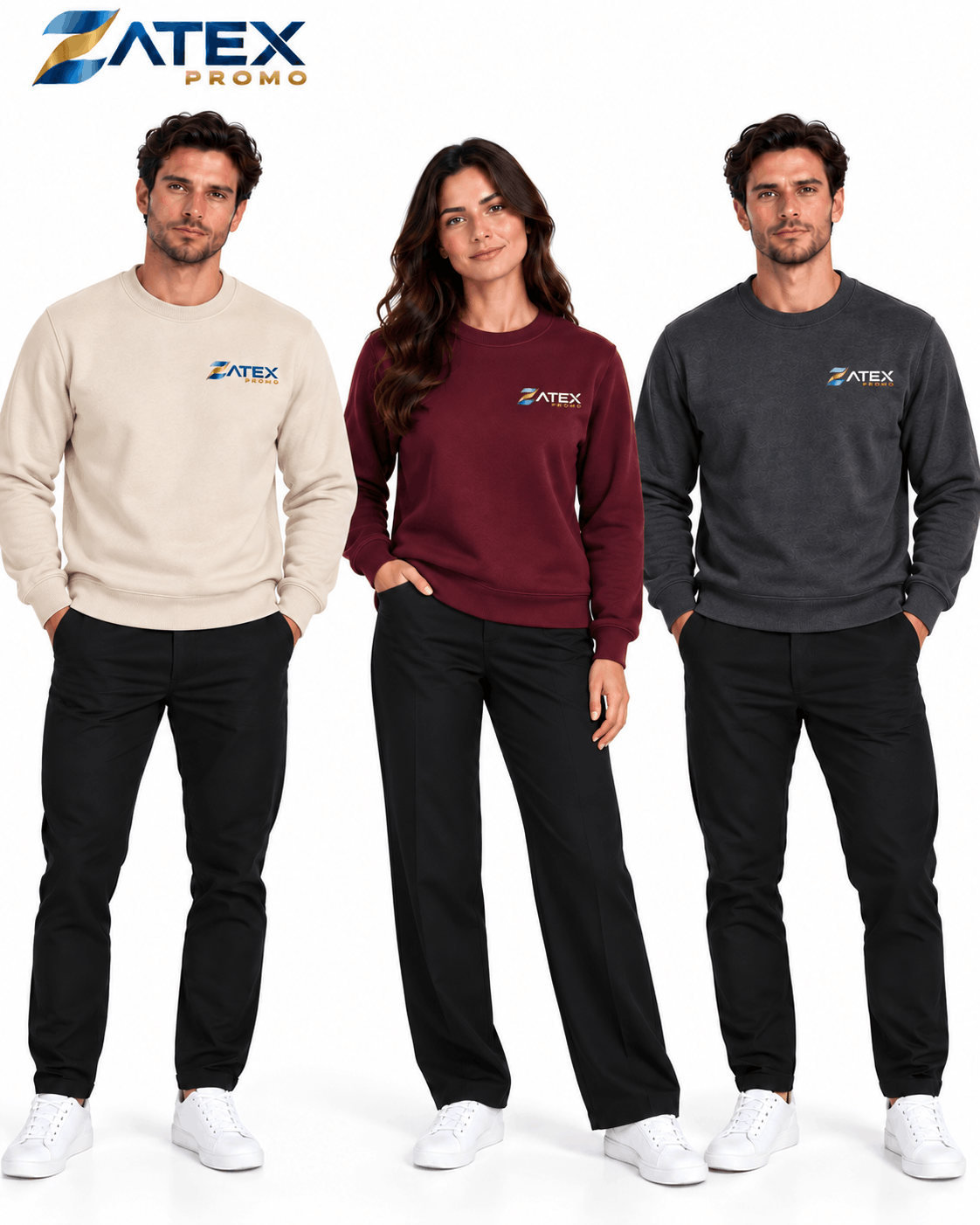
What is the difference between French terry and brushed fleece?
Cotton Incorporated’s CottonWorks explains that industry French terry is an un-napped fleece construction with floats visible on the reverse. Brushing or napping the backing yarns produces the fleecy inside surface associated with sweatshirt fleece. Its guide also notes that fleece can use cotton, cotton/polyester blends or synthetic fibres. These names therefore describe construction or finish, rather than one guaranteed fibre composition. See the CottonWorks guide to single and double knits.
For purchasing, ask the supplier to identify the exact reverse finish on the proposed swatch. Do not approve a material from “French terry” or “fleece” written in an email alone. Keep a labelled sample that everyone involved can reference.
Compare the specification, not just the fabric name
| Item to record | French terry proposal | Brushed fleece proposal |
|---|---|---|
| Inside surface | Confirm the proposed unbrushed reverse | Confirm the proposed brushed reverse |
| Composition | Request the stated fibre percentages | Request the stated fibre percentages |
| Weight | Record the proposed GSM and sample identity | Record the proposed GSM and sample identity |
| Finished garment | Review fit, feel and appearance on a sample | Review fit, feel and appearance on a sample |
| Approval evidence | Keep the selected swatch and written comments | Keep the selected swatch and written comments |
A side-by-side comparison is most useful when the intended garment and wearing situation stay the same. If one proposal changes composition, weight and finish simultaneously, record those differences rather than attributing every preference to the reverse finish.
Choose around the wearing situation
Describe where the garment will be worn and what the wearer will put underneath it. For an indoor corporate programme, ask representative users to review the proposed sample in their usual setting. For a merchandise collection, assess the intended silhouette and feel against your approved design references.
Avoid assigning a universal season or temperature rating from the name alone. If thermal performance, moisture management or another measurable characteristic matters to the brief, ask which evidence supports that exact proposal before making a product claim.
Browse custom sweatshirts and custom hoodies to define the garment first. For a coordinated range, include the sweatpants specification in the same material review.
Review swatches before approving a finished sample
Label each swatch with a reference code, supplier description and the date received. Ask which side will face outward and whether the swatch represents the finish proposed for production. Review the inside surface by touch, then record your preference in plain language rather than writing only “better quality”.
Next, inspect a garment sample with the planned trims and decoration. Note any remaining substitutions or pending approvals. A material selected for initial discussion should not automatically become the production reference without an explicit decision.
Use the fabric and GSM guide for the wider material brief and the sample approval checklist to record what has actually been accepted.
Agree how the material will be reviewed after care
Before requesting a wash review, agree the sample identity, care procedure and changes you want assessed. Ask for relevant evidence where appearance or dimensional requirements are important. Record acceptance criteria with the supplier rather than assuming that either fabric name guarantees a particular result.
Keep untreated and reviewed samples clearly identified. If your team requests a different finish after the review, confirm whether the quotation and sample approval need updating before production proceeds.
Frequently asked questions
Does French terry mean 100% cotton?
Do not use the fabric name as a fibre declaration. Request the composition of the proposed material and ensure the approved specification records it clearly.
Which option should we choose for branded sweatshirts?
Compare actual material proposals around your intended use, preferred inside surface and finished sample. Neither name alone is enough to decide the complete garment specification.
Can ZATEX PROMO review both options for our project?
Send your preferences and reference garments with the enquiry. Material availability, sampling, quantities, costs and timing should be confirmed for your particular brief; this guide does not set standard order minimums or delivery promises.
Request a fabric proposal for your apparel project
Share the garment type, intended use, material preferences, quantities and delivery destination. Request a B2B quotation from ZATEX PROMO and ask the team to review the appropriate sampling steps.